
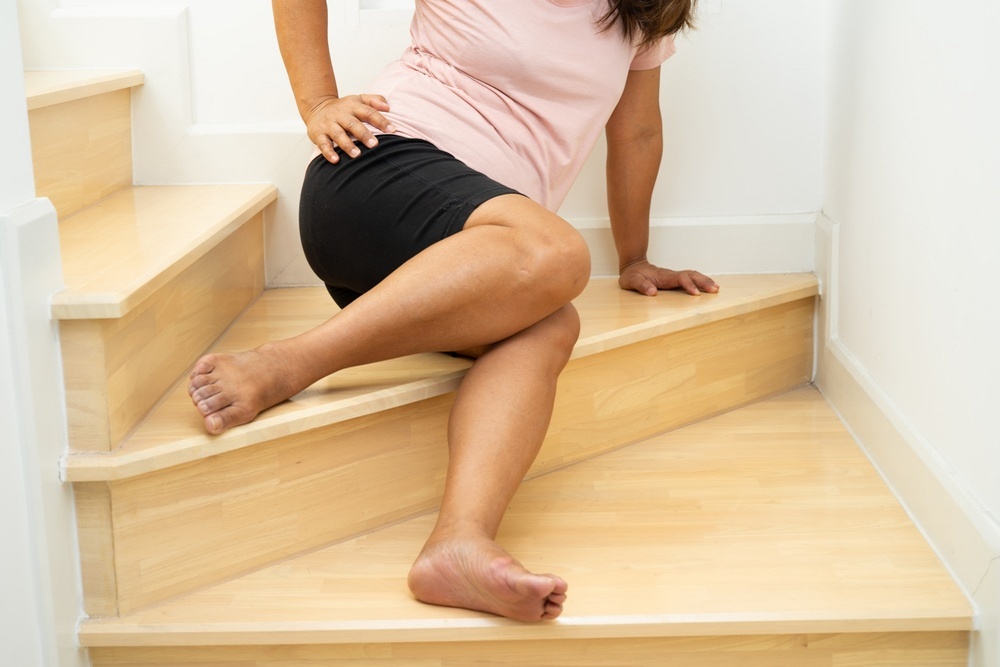
A Hip Injury Can Change How You Move Every Day
A slip and fall can place tremendous stress on your hips, particularly when you land directly on your side or twist your body during the fall. What may initially seem like a bruise or temporary soreness can sometimes involve a serious injury to the hip joint, surrounding tissues, or bones. You may experience a fracture, dislocation, ligament damage, or other trauma that affects your ability to stand and walk normally. Pain may be immediate, or you may notice your symptoms worsen as swelling and inflammation develop. A serious hip injury can interfere with everyday activities such as walking, climbing stairs, getting into a vehicle, or standing for extended periods. You may also need assistance with household responsibilities and personal tasks while you recover. Depending on the injury’s severity, your treatment could include medication, physical therapy, assistive devices, or surgery. If the damage becomes permanent, you may continue experiencing pain, stiffness, weakness, or reduced mobility long after the initial fall. Seeking appropriate medical attention after a significant slip and fall can help identify the extent of your injuries. You should also keep records of your treatment, symptoms, expenses, and limitations so you have documentation of how the injury has affected your life.
Hip Fractures Can Require Extensive Treatment
A hip fracture is one of the more serious injuries you may experience during a slip and fall. The force of landing on your hip or twisting suddenly can cause a fracture, particularly when the impact is substantial. Depending on the location and severity of the fracture, you may require surgery to repair or stabilize the damaged bone. Your recovery may then involve hospitalization, medication, physical therapy, and the temporary use of a walker, cane, or other assistive device. Even after the fracture has healed, you may not immediately regain your previous level of strength and mobility. You could experience stiffness or discomfort when walking, standing, or changing positions. In some cases, complications can cause ongoing mobility problems or require additional treatment. A lengthy recovery can also affect your ability to work. If your job requires standing, walking, lifting, or other physical activity, you may be unable to perform your usual duties while your hip heals. Even with a desk job, prolonged sitting or traveling to work may become uncomfortable. You may lose income while medical expenses continue to accumulate. Keeping documentation of missed work and changes to your job duties can help show the financial effect of your injury. If your hip injury remains serious after treatment, you may want to discuss your circumstances with a personal injury attorney to understand what legal options may be available.
Permanent Hip Damage Can Limit Your Mobility
Not every serious hip injury fully resolves after the initial treatment. You may continue experiencing chronic pain, stiffness, weakness, or reduced range of motion. These limitations can affect how independently you move through your home and community. You may have difficulty walking long distances, climbing stairs, getting in and out of chairs, or participating in physical activities you previously enjoyed. A permanent hip injury can also require ongoing medical care. Depending on your joint’s condition, you may need additional physical therapy, medications, specialist appointments, or future procedures. These continuing needs can create expenses long after the original emergency treatment. Your injury may also affect your ability to maintain your previous lifestyle. You might need to change how you exercise, travel, complete household chores, or care for family members. If your mobility becomes significantly restricted, you may need assistance from relatives or other caregivers. Document these changes rather than focusing only on your initial medical bills. Your healthcare providers can also help explain the extent of your injury and whether continuing limitations are expected. If your doctor identifies permanent damage or predicts future treatment, maintaining those medical records can be particularly important. The long-term consequences of a hip injury may be very different from what you experience during the first few days or weeks after a fall.
Rehabilitation Can Become Part of Your Long-Term Recovery
Recovering from a serious hip injury can require considerable rehabilitation. Physical therapy may help you rebuild strength, improve balance, increase mobility, and regain confidence when walking. You may need to attend therapy for weeks or months, depending on your injury and progress. During rehabilitation, you may experience improvements while still dealing with pain or restrictions that prevent you from returning to your previous routine. You may also need to use mobility equipment while your strength returns. If your injury causes permanent limitations, rehabilitation may become an ongoing part of managing your condition. The time required for treatment can affect your work, family responsibilities, and finances. You may need to miss work for appointments or remain unable to perform certain duties. At the same time, medical bills, therapy expenses, transportation costs, and other injury-related expenses may continue. Keeping organized records can help you understand the overall financial burden of your recovery. You should also document changes in your daily life, including activities you can no longer perform or tasks that now require assistance. If the fall occurred because of a hazardous condition on someone else’s property, information about what caused the accident may also be relevant. Photographs of the dangerous condition, incident reports, witness information, and medical records can potentially help establish what happened and how you were affected.
A Permanent Hip Injury Can Affect Your Future
When a slip and fall leaves you with permanent hip damage, the effects may continue for years. You may face ongoing pain, reduced mobility, continuing medical care, and limitations that affect your ability to work and participate in everyday activities. You may also face financial losses from medical expenses and time away from work. Depending on the circumstances, a personal injury claim may involve qualifying losses related to medical treatment, lost income, rehabilitation, and other consequences of your injury. The facts surrounding the fall, the condition that caused it, the severity of your hip injury, and other circumstances can affect your legal options. If you believe an unsafe condition contributed to your fall and you are dealing with lasting hip problems, learning more about your rights may be worthwhile. The Law Office of Scott M. Blumen is available to review the circumstances surrounding your slip and fall and explain the legal options available to you. Contact The Law Office of Scott M. Blumen by calling (619) 439-1837 or complete our online form to discuss your situation and learn how you may pursue compensation for the losses you have experienced. Taking the next step today may help you focus on your recovery while protecting your rights.
about
Scott M. Blumen
Scott M. Blumen, Attorney at Law, APC offers personalized, results-focused legal help for injury and workers’ compensation cases in San Diego.