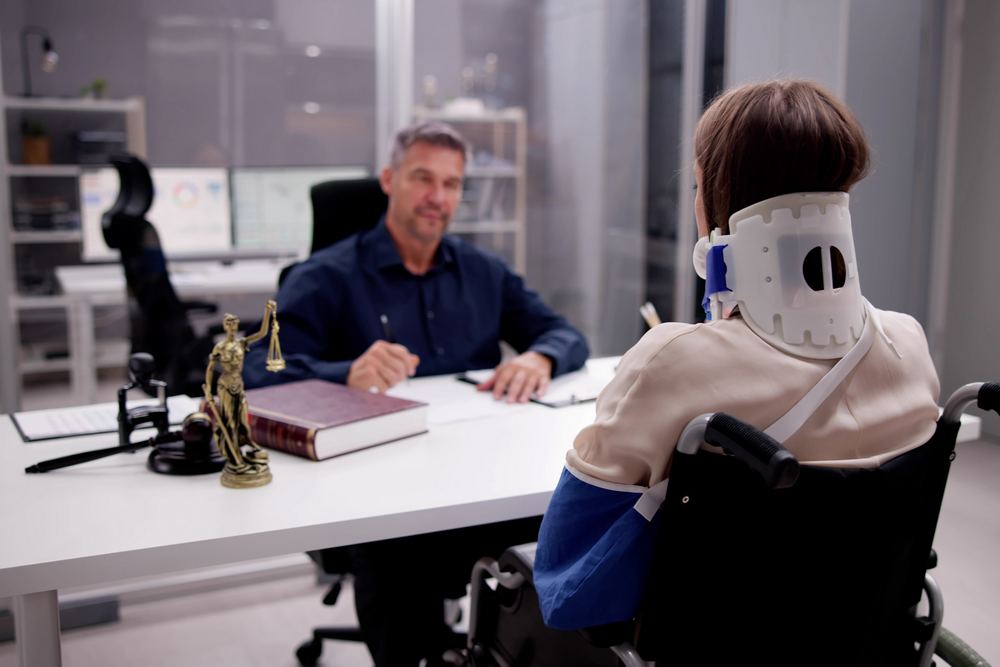

A Moment of Distraction Can Lead to a Severe Head Injury
Texting while driving can take your attention away from traffic at a critical moment, increasing the risk of a collision that can cause serious injuries. When a driver looks down at a phone instead of watching the road, you may be exposed to a crash that occurs with little warning. Your vehicle can strike another car, a fixed object, or a pedestrian, subjecting your body to sudden and powerful forces. During the impact, your head may strike the steering wheel, dashboard, window, headrest, or another surface. Your brain can also move forcefully inside your skull when your head suddenly accelerates, decelerates, or changes direction. These forces can contribute to a traumatic brain injury, even when you do not have an obvious external wound. You may experience a concussion, bleeding, bruising, or other brain trauma that requires medical evaluation. Some symptoms can appear immediately, while others may develop hours or days after the collision. Headaches, dizziness, confusion, memory problems, sensitivity to light, difficulty concentrating, and changes in balance can all warrant medical attention after a serious crash. If you were injured by a driver who was texting, receiving prompt treatment and documenting your symptoms can help you understand the extent of your injury and its effect on your recovery.
A Collision Can Cause Different Types of Brain Trauma
A traumatic brain injury can occur in several ways during a vehicle collision. Your head may experience a direct impact, or your brain may move rapidly within your skull without your head striking another object. The sudden movement can affect brain tissue and produce symptoms that interfere with your ability to think, remember, communicate, or maintain balance. A concussion is one possible form of traumatic brain injury, but more serious injuries can involve bleeding or bruising within the brain. The severity of your condition may not always be obvious immediately after the crash. You may feel relatively normal at first and then develop increasing headaches, nausea, confusion, fatigue, or difficulty concentrating. This is one reason you should take new symptoms seriously and follow medical recommendations after a collision. Depending on your injury, treatment may include observation, medication, diagnostic imaging, specialist care, or rehabilitation. A severe brain injury may require hospitalization and extensive long-term treatment. You may also need assistance with daily activities while you recover. Keeping copies of medical records, test results, prescriptions, bills, and treatment recommendations can help you track your recovery. If your symptoms affect your ability to work or perform familiar tasks, documenting those changes can also help show how the injury has affected your daily life.
Brain Injury Symptoms Can Continue Long After the Crash
Your recovery from a traumatic brain injury may take much longer than you initially expect. You may continue experiencing headaches, fatigue, memory difficulties, dizziness, problems with concentration, or sensitivity to noise and light. These symptoms can make returning to work or school challenging, particularly if your responsibilities require sustained attention, decision-making, physical coordination, or frequent communication. You may also struggle with activities that were previously routine. Reading, driving, using a computer, preparing meals, or managing household responsibilities can become more difficult when your brain has not fully recovered. Some injuries may improve with time and treatment, while others may cause ongoing limitations. Rehabilitation may become an important part of your recovery, and you may work with different healthcare professionals depending on your symptoms. You could require physical therapy, occupational therapy, speech therapy, or other forms of care. These services can create substantial expenses, particularly when treatment continues for an extended period. If your injury prevents you from working or reduces your ability to perform your previous job, lost income can add another financial concern. Keep track of missed work, changes to your duties, medical expenses, and other losses connected to the collision. A detailed record can help you understand the full impact of your injury rather than focusing only on the initial emergency treatment.
A Serious Brain Injury Can Affect Your Future
A traumatic brain injury can affect more than your physical recovery. Depending on its severity, you may experience changes in your memory, concentration, communication, coordination, or ability to complete everyday activities. You may need ongoing medical care or help from family members as you adapt to new limitations. In more serious cases, you may be unable to return to the same type of work you performed before the collision. Your family may also need to adjust its routine to accommodate your recovery and treatment needs. These changes can create financial and practical challenges that continue long after the accident. If your doctors expect continuing symptoms or future treatment, it can be important to understand those needs when assessing the overall effects of your injury. Keep documentation of your medical condition and follow-up care, including recommendations for rehabilitation or future evaluations. Depending on the circumstances, a personal injury claim may involve qualifying losses related to medical treatment, lost income, rehabilitation, and other consequences of the crash. The specific nature of your brain injury, the circumstances of the collision, and other factors can affect your legal options. If you are unsure about the long-term implications of your injury, discussing your circumstances with a personal injury attorney may help you understand what options may be available.
Texting Drivers Can Leave You Facing Long-Term Consequences
When a texting driver causes a collision that results in a traumatic brain injury, you may face a recovery that affects nearly every part of your life. You may face medical treatment, rehabilitation, lost income, and limitations that make ordinary activities harder. Even when the visible signs of the collision disappear, brain injury symptoms may continue to affect your ability to work and function normally. Depending on the circumstances, you may have legal options for pursuing compensation for qualifying losses associated with your injuries. The facts of the crash, the severity of your traumatic brain injury, your medical treatment, and other circumstances can all affect your potential claim. If you believe texting while driving caused your collision and you are dealing with ongoing symptoms, learning more about your legal options may help you determine your next steps. The Law Office of Scott M. Blumen is available to review the circumstances surrounding your accident and explain the legal options available to you. Contact The Law Office of Scott M. Blumen by calling (619) 439-1837 or complete our online form to discuss your situation and learn how you may pursue compensation for the losses you have experienced.
about
Scott M. Blumen
Scott M. Blumen, Attorney at Law, APC offers personalized, results-focused legal help for injury and workers’ compensation cases in San Diego.