
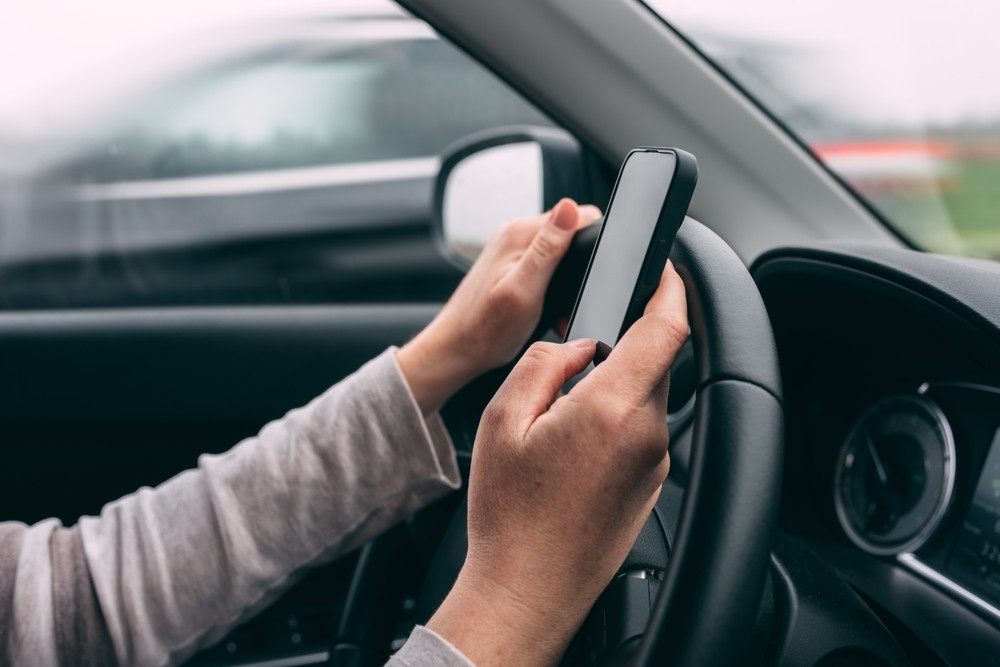
Looking at a Phone Can Lead to a Serious Crash
Texting while driving takes your attention off the road when you need to watch traffic conditions, pedestrians, signals, and nearby hazards. When you look down at your phone to read or send a message, even briefly, you may miss an approaching vehicle, a sudden stop, a changing traffic signal, or an object in your path. A collision caused by this distraction can expose your head and eyes to significant forces that may result in serious vision injuries. Your face may strike the steering wheel, dashboard, window, airbag, or another part of the vehicle during impact. Flying debris or broken glass can also injure your eyes. Depending on the circumstances, you may experience bruising around the eye, corneal damage, retinal injury, orbital fractures, or other trauma that affects your vision. Some symptoms may appear immediately, while others can become more noticeable after the crash. Blurred vision, flashes of light, floaters, eye pain, light sensitivity, or vision loss should receive prompt medical attention. A serious eye injury can affect your ability to work, drive, read, use electronic devices, and perform everyday activities. If another driver was texting when the collision occurred, documenting your injuries and medical treatment can become important as you recover.
Impact Forces Can Damage Your Eyes and Surrounding Structures
A vehicle collision can subject your head and face to sudden forces that cause significant damage around your eyes. Your eye socket, or orbit, is made up of delicate bones that protect the eye, but those bones can fracture during a serious crash. You may suffer swelling, bruising, double vision, pain, or difficulty moving your eye normally. Trauma can also damage the tissues within the eye itself. Depending on the injury, you may experience bleeding, vision changes, or other complications that require evaluation by an eye specialist. Treatment can range from monitoring and medication to surgery, depending on the type and severity of the damage. Recovery may involve multiple appointments and continued testing to determine whether your vision is improving or whether permanent problems remain. You may also need to temporarily or permanently change certain activities while your eye heals. If your vision is impaired, even routine tasks such as reading, working on a computer, driving, cooking, or walking safely through unfamiliar areas can become more difficult. Your medical records can help document the nature of your injury and the treatment you require. Keep copies of bills, prescriptions, diagnostic testing, specialist visits, and other records connected to your recovery. These details can help establish the extent of your losses if your vision injury continues to affect your life.
Retinal Injuries Can Have Lasting Effects on Vision
The retina is a light-sensitive layer at the back of your eye that plays an essential role in vision. A traumatic collision can cause retinal damage, including injuries that may produce flashes, floaters, distorted vision, or areas of missing vision. Some retinal injuries require immediate treatment because delays can increase the risk of lasting vision problems. In other cases, your condition may need monitoring over time to determine how much recovery is possible. Report new or worsening vision symptoms to your healthcare provider rather than assuming they are simply part of the normal aftermath of a crash. Permanent vision changes can affect nearly every part of your daily routine. You may have difficulty recognizing faces, reading signs, working with small objects, or judging distances. If you previously relied on your vision for your occupation, a serious injury could affect your ability to perform your regular duties. You may need additional accommodations, reduced hours, or a different type of work depending on the severity of your impairment. These changes can create financial concerns in addition to the physical challenges of your injury. Medical expenses may continue while your income is reduced because of time away from work. If another driver’s texting caused the collision, you may want to keep detailed records of both your medical treatment and the ways your vision injury has changed your work and daily activities.
Permanent Vision Problems Can Require Long-Term Care
A serious eye injury doesn’t always end when initial treatment is complete. If your vision remains impaired, you may need ongoing examinations, corrective lenses, medication, rehabilitation, or additional procedures. Depending on the type of injury, you may also need to change your home, workplace, or routine to accommodate reduced vision. These adjustments can create additional expenses and may affect your independence. You might need help with transportation if you cannot drive safely, or you may have difficulty completing tasks that previously required no assistance. Permanent vision loss can also interfere with activities that provide enjoyment and independence, such as reading, sports, travel, or hobbies. The emotional impact can be significant, especially as you adjust to a new limitation after an unexpected collision. Continue following your medical treatment plan and keep documentation of your symptoms and progress. If your doctor explains that your vision injury may be permanent, make sure you understand the expected long-term effects and future treatment needs. Depending on the circumstances, these future consequences may be relevant when evaluating a personal injury claim. A complete understanding of your medical condition can help you and your attorney better assess the losses you may experience over time.
A Vision Injury Can Change Your Quality of Life
When texting while driving leads to a crash that permanently affects your vision, the consequences can extend far beyond the original accident. You may face ongoing medical care, reduced ability to work, transportation challenges, and changes to everyday activities. You may also experience medical expenses and lost income while adjusting to a permanent impairment. Depending on the circumstances, a personal injury claim may involve qualifying losses related to medical treatment, lost wages, rehabilitation, and other effects of the injury. The facts of the collision, the nature of your vision injury, and other circumstances can affect your legal options. If you believe a distracted driver caused your crash and you are dealing with lasting vision problems, discussing your situation with a personal injury attorney may help you understand what options may be available. The Law Office of Scott M. Blumen is available to review the circumstances surrounding your accident and explain the legal options available to you. Contact The Law Office of Scott M. Blumen by calling (619) 439-1837 or complete our online form to discuss your situation and learn how you may pursue compensation for the losses you have experienced. Taking the next step today may help you focus on your recovery while protecting your rights.
about
Scott M. Blumen
Scott M. Blumen, Attorney at Law, APC offers personalized, results-focused legal help for injury and workers’ compensation cases in San Diego.