A Thumb Injury Can Affect Your Entire Hand
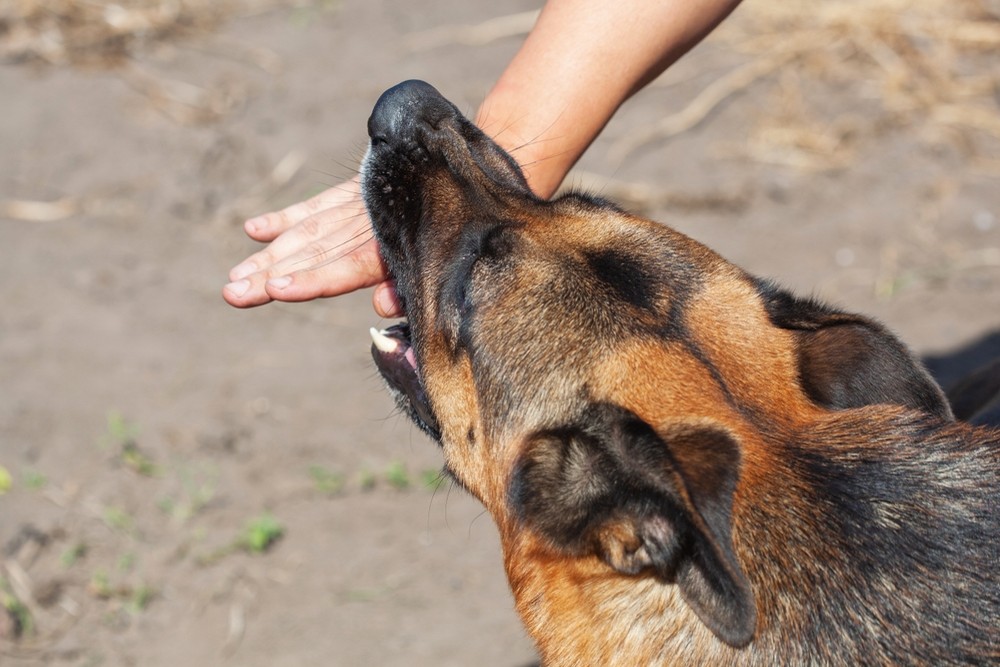
A dog bite to your thumb can cause serious damage that affects much more than the appearance of the wound. Your thumb plays an essential role in gripping, pinching, holding, and controlling objects, working with your other fingers to provide strength and precision. When a dog bite damages the thumb, you may suffer injuries to the bones, tendons, ligaments, joints, nerves, or surrounding tissue. A deep bite can cause significant bleeding, swelling, and pain, while a crushing injury may result in a fracture or damage to the structures beneath the skin. You may initially focus on the visible wound without realizing that deeper problems could develop. Infection can also become a concern when bacteria enter damaged tissue. Even after the wound heals, you may continue experiencing stiffness, numbness, weakness, reduced movement, or persistent pain. These symptoms can make ordinary activities such as opening containers, turning keys, using a phone, writing, driving, or preparing food more difficult. If your work requires frequent use of your hands, a permanent thumb injury may also interfere with your ability to perform your regular duties. Seeking prompt medical attention and following your treatment plan can help address the injury while documenting the care you need.
Tendon and Joint Damage Can Reduce Thumb Movement
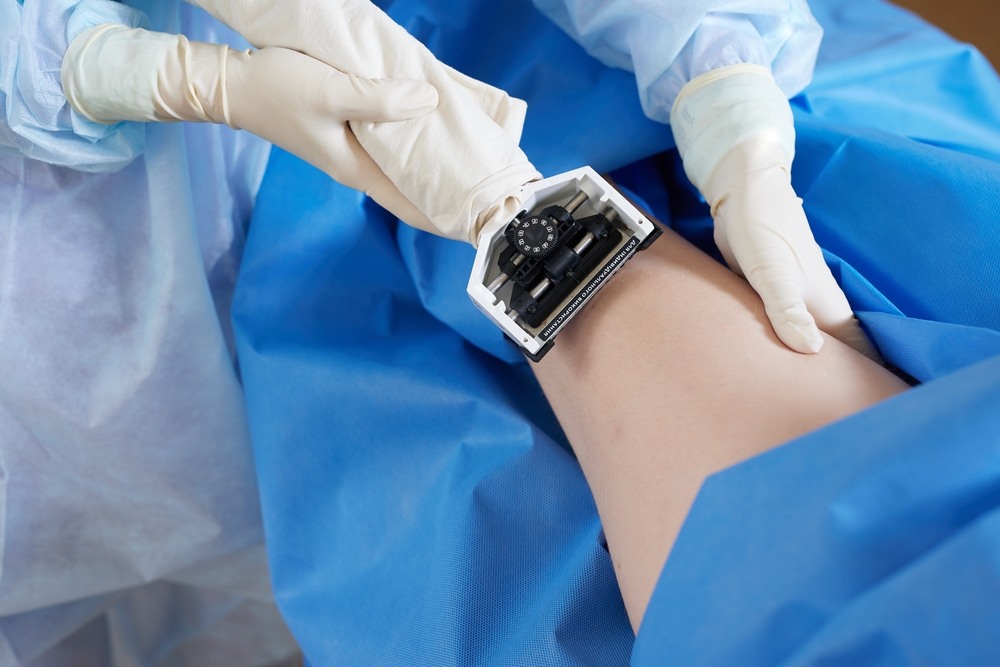
Your thumb depends on tendons and joints to provide its wide range of movement. A serious dog bite can damage these structures, potentially making it difficult to bend, straighten, or move your thumb normally. You may feel weak when gripping objects or have difficulty with movements that require your thumb to work against your fingers. Depending on the severity of the damage, treatment may involve wound care, immobilization, medication, physical therapy, or surgery. Recovery can take time, especially when a tendon or joint is significantly damaged. You may need rehabilitation to restore strength and flexibility and prevent stiffness from becoming a lasting problem. Even with treatment, some injuries can result in permanent limitations. You may have trouble performing tasks that once required little effort, such as buttoning clothing, using kitchen utensils, operating tools, or typing on a keyboard or phone. If you work in construction, manufacturing, healthcare, office work, or another occupation that depends on hand function, reduced thumb mobility can affect your ability to perform your job. Keep records of your medical appointments, procedures, therapy sessions, medications, and other treatment expenses. It can also be useful to document activities that have become difficult because of your injury. These records can help show how the dog bite has affected your physical abilities and daily life.
Nerve Damage Can Cause Lasting Pain and Numbness
A dog bite that penetrates deeply into the thumb can injure nearby nerves. When nerve tissue is damaged, you may experience numbness, tingling, burning sensations, unusual sensitivity, or weakness. You may also find that your thumb feels different when you touch objects or apply pressure. These symptoms can interfere with your ability to grip and handle objects safely. Nerve injuries may take considerable time to heal, and some can leave lasting symptoms despite treatment. Depending on the nature of the damage, you may need additional evaluation, medication, therapy, or other medical care. If you continue to experience unusual sensations or pain, discuss them with your healthcare provider rather than assuming they will disappear as the wound heals. A permanent nerve injury can affect your ability to complete precise tasks and may make certain work responsibilities difficult. You could also find everyday activities more challenging when you cannot rely on normal sensation or strength in your thumb. If the injury prevents you from working your regular schedule, you may experience lost income while continuing to deal with medical expenses. Documenting these effects can help clarify the consequences of your injury. Your medical records may also provide important information about the extent of the nerve damage, treatment requirements, and whether your healthcare provider expects your symptoms to continue.
Infection and Scarring Can Create Additional Problems
Treatment for a serious thumb injury may become more complicated if an infection develops. A dog bite can introduce bacteria into the body, and an infection may cause increasing pain, redness, swelling, drainage, or other symptoms that require medical treatment. Depending on the circumstances, you may need antibiotics, additional wound care, testing, or surgery. Because your thumb contains several important structures in a relatively small area, complications can interfere with movement and function. You may also develop a noticeable scar after the bite heals. Although scarring can affect your appearance, scar tissue may sometimes contribute to tightness, sensitivity, or restricted movement. A visible scar on your hand or thumb can also remain a lasting reminder of the attack. You may feel uncomfortable about its appearance or have difficulty using the affected area normally. Your recovery may involve more than treating the original wound. You may need follow-up appointments, specialist care, rehabilitation, and continued monitoring for complications. Keep documentation of your medical care and expenses throughout this process. You should also follow your healthcare provider’s instructions for wound care and rehabilitation. If your symptoms worsen or new problems develop, seek appropriate medical attention to address those concerns. When a dog bite results in permanent thumb damage, documenting both the medical treatment and the ways your injury affects your daily life can be important when considering your legal options.
Permanent Thumb Damage Can Affect Your Future
When a dog bite causes permanent thumb damage, the consequences may continue long after the initial wound has healed. You may experience reduced movement, weakness, nerve symptoms, chronic pain, scarring, or other limitations that affect your ability to work and complete everyday tasks. You may also face continuing medical expenses, rehabilitation needs, or future treatment related to the injury. Depending on the circumstances, a personal injury claim may involve qualifying losses such as medical expenses, lost income, rehabilitation costs, and other losses associated with the injury. The facts surrounding the dog bite, the severity of your thumb damage, your medical treatment, and other circumstances can affect your legal options. If your thumb has not returned to its previous function and you are dealing with lasting limitations, you may benefit from discussing your situation with an attorney who handles dog bite and personal injury cases. The Law Office of Scott M. Blumen is available to review the circumstances surrounding your dog bite and explain the legal options available to you. Contact The Law Office of Scott M. Blumen by calling (619) 439-1837 or complete our online form to discuss your situation and learn how you may pursue compensation for the losses you have experienced. Taking the next step today may help you focus on your recovery while protecting your rights.
about
Scott M. Blumen
Scott M. Blumen, Attorney at Law, APC offers personalized, results-focused legal help for injury and workers’ compensation cases in San Diego.