What “Fault” Really Means After a Car Accident
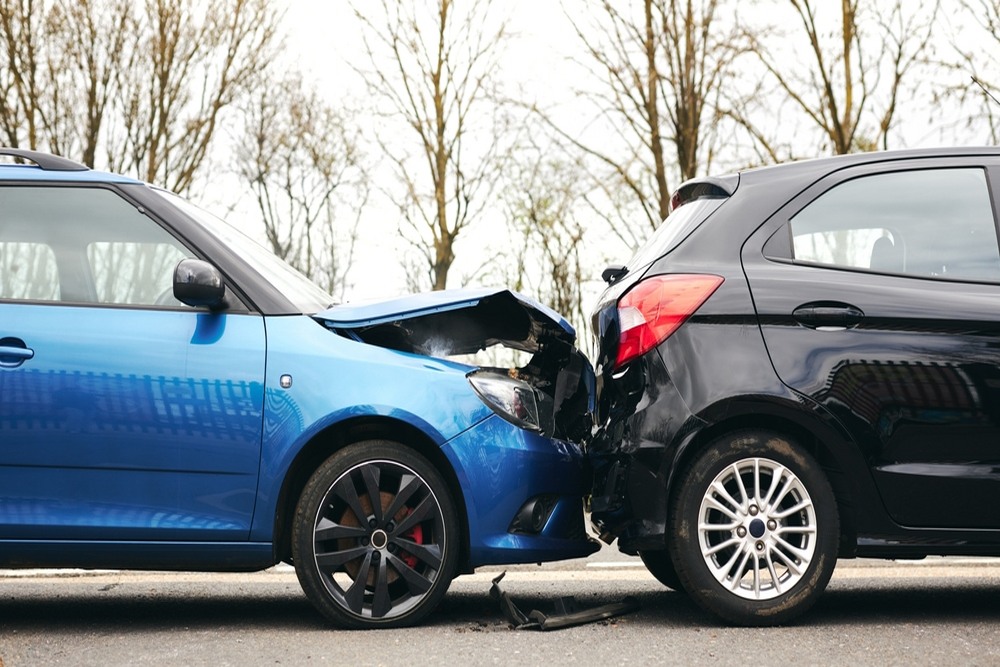
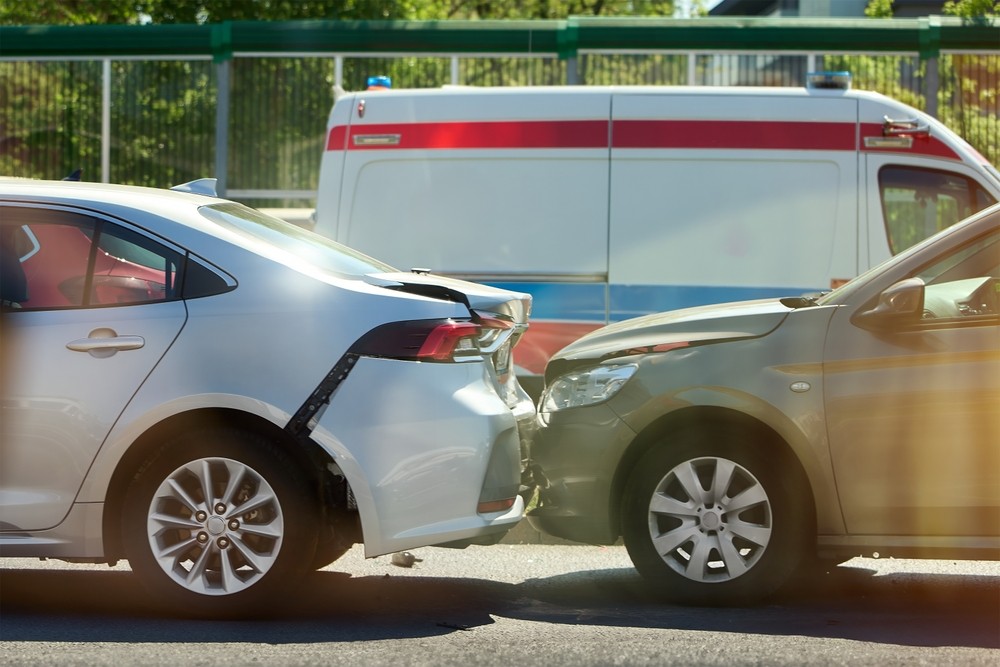
After a car accident in California, one of the first questions is who is at fault. Fault is not about assigning moral blame or deciding who feels worse about what happened. It is a legal determination based on actions, decisions, and whether traffic laws were followed. When you are involved in a collision, fault influences who pays for medical bills, vehicle damage, lost income, and other losses. You may feel pressure to explain yourself immediately, but fault is not decided at the roadside. It is determined through evidence, statements, and legal standards that examine what each driver did or failed to do before the crash.
The Role of Evidence in Determining Responsibility
Evidence plays a central role in establishing fault. Police reports often provide an initial overview, including diagrams, witness information, and citations issued at the scene. Photos of vehicle damage, skid marks, road conditions, and traffic signals help show how the collision unfolded. Witness statements can support or challenge each driver’s version of events, mainly when accounts differ. Medical records also matter because they help connect the accident to your injuries. You have the right to collect and preserve evidence, and you are not required to rely solely on an insurance company’s interpretation. The more complete the picture, the more apparent the fault becomes.
Comparative Fault and How It Affects Your Claim
California follows a comparative fault system, which means more than one party can share responsibility for an accident. You can still recover compensation even if you are partially at fault, but your percentage of responsibility may reduce your recovery. For example, if you are found 20 percent at fault, your compensation may be reduced by that amount. This system prevents drivers from being shut out of recovery based on minor mistakes. It also means insurance companies often try to assign you a higher share of fault than is fair. Understanding how comparative fault works helps you recognize when responsibility is unfairly shifted.
Insurance Companies and Fault Decisions
Insurance companies conduct their own investigations to determine fault, and their conclusions often affect settlement discussions. Adjusters review statements, reports, and damage estimates while also considering their company’s financial interests. You are not required to accept an insurance company’s fault determination as final. Recorded statements, casual comments, or quick admissions can be used to support conclusions that do not reflect the whole situation. Fault is not automatically decided because one driver rear-ended another or because someone received a citation. Each case depends on specific facts, timing, and behavior leading up to the crash.
Getting Clarity on Fault and Your Legal Options
Understanding how fault is determined puts you in a stronger position after a car accident. Clear information allows you to respond thoughtfully rather than react under pressure. When a fault is disputed or unclear, having guidance can help you see how evidence, comparative responsibility, and insurance practices interact. If you have questions about how fault affects your potential recovery, professional insight can bring clarity and confidence. Contact The Law Office of Scott M. Blumen by calling (619) 439-1837 or completing the online form to schedule a consultation and discuss how transparency can work in your favor.
about
Scott M. Blumen
Scott M. Blumen, Attorney at Law, APC offers personalized, results-focused legal help for injury and workers’ compensation cases in San Diego.