
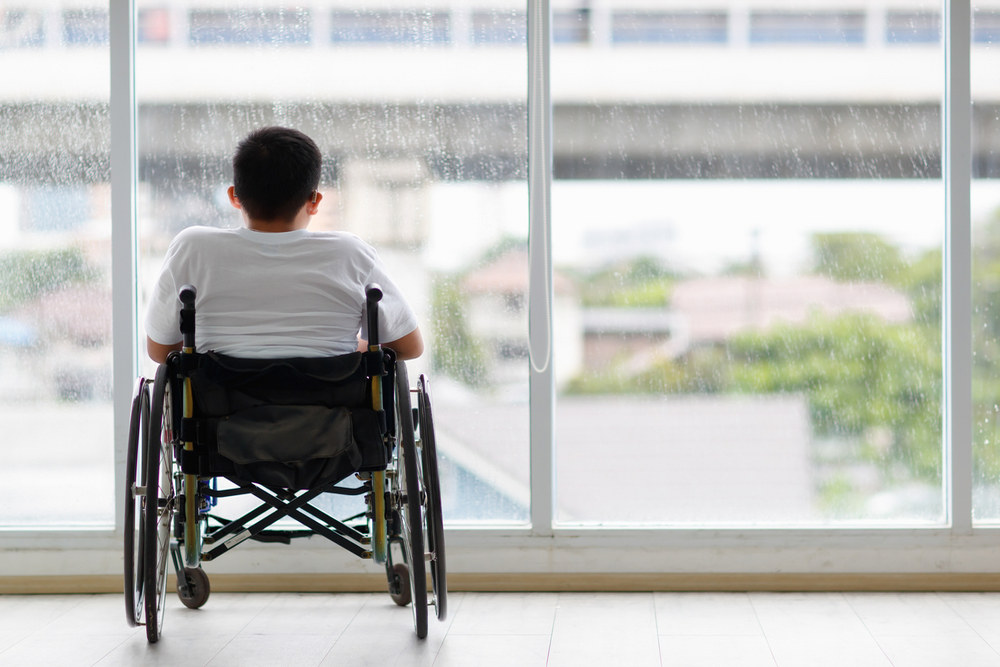
A Drunk Driving Crash Can Change Your Ability to Move
A drunk driving accident can leave you with injuries that affect your mobility for months, years, or even permanently. When an impaired driver causes a high-impact collision, the force of the crash can place tremendous stress on your spine, joints, bones, muscles, and nervous system. You may suffer spinal cord damage, multiple fractures, traumatic brain injuries, nerve damage, or other serious conditions that make walking or using your limbs difficult. In some cases, you may initially expect to recover fully but later discover that your injuries have caused lasting physical limitations. Losing mobility can affect nearly every part of your daily routine, from getting dressed and preparing meals to driving, working, exercising, and spending time with your family. Immediate medical attention is important because some serious injuries may not be fully apparent right after a collision. If another driver’s intoxication caused your injuries, learning about your legal rights early may also help you pursue compensation while you focus on your recovery.
Severe Injuries Can Require Long-Term Rehabilitation
Permanent mobility loss often involves extensive medical care and rehabilitation. Depending on the nature of your injuries, you may require surgery, hospitalization, physical therapy, occupational therapy, medication, or specialized rehabilitation programs. A spinal cord injury may affect your ability to stand or walk, while severe fractures can limit movement in your legs, hips, arms, or other parts of your body. Nerve damage can also cause weakness, numbness, or difficulty controlling certain muscles. Rehabilitation may continue for months or longer as you work to regain as much strength and independence as possible. You may need mobility aids such as braces, walkers, wheelchairs, or other equipment to perform everyday activities. Even when treatment improves your condition, you may still have permanent restrictions that require ongoing care. Following your healthcare provider’s recommendations and keeping records of your treatment can help document the extent of your injuries. If you are facing a long rehabilitation process after a drunk driving crash, speaking with a personal injury attorney can help you understand how your future medical needs may affect your claim.
Permanent Mobility Loss Can Affect Your Ability to Work
Your ability to earn an income can change significantly when a serious injury limits your mobility. Jobs that require standing, walking, lifting, climbing, driving, or physical activity may become difficult or impossible. Even office-based work can become challenging if you need specialized equipment, frequent breaks, or workplace modifications. You may need to take an extended leave while recovering or transition to a different position with reduced responsibilities. In some cases, permanent mobility limitations may prevent you from returning to your previous career altogether. Losing your income while facing increasing medical expenses can create serious financial pressure for you and your family. You may also have expenses for transportation, home assistance, mobility equipment, and modifications that make your living space more accessible. Keeping documentation of your wages, missed work, employment restrictions, medical expenses, and other financial losses can help establish the impact of your injury. If your mobility loss has affected your career or earning potential, legal advice may help you determine what compensation you can pursue.
Losing Mobility Can Affect Your Independence and Quality of Life
Permanent mobility problems can change how you interact with your home, workplace, family, and community. You may need assistance with bathing, dressing, cooking, shopping, transportation, or other everyday activities that you previously handled independently. Your home may need modifications such as ramps, accessible bathrooms, handrails, or other changes to accommodate your physical limitations. You may also need to adapt your vehicle or rely on others for transportation. These changes can create emotional challenges as you adjust to a different level of independence. You may feel frustrated when you cannot participate in hobbies, sports, social activities, or family events in the same way you did before the accident. Chronic pain and uncertainty about your future can add to the emotional burden. Discussing these concerns with your healthcare providers can help you receive appropriate support and document the broader impact of your injuries. If a drunk driver’s actions permanently changed your mobility, those lasting effects deserve consideration when evaluating the full consequences of your accident.
Pursue Compensation for the Long-Term Effects of Your Injuries
Drunk driving accidents can cause permanent loss of mobility that affects your health, employment, finances, independence, and quality of life. You may face continuing medical treatment, rehabilitation, assistive equipment, home modifications, lost income, reduced earning capacity, physical pain, and emotional distress. You should not have to carry these burdens alone when another person’s decision to drive while impaired caused your injuries. A personal injury claim may allow you to pursue compensation for qualifying medical expenses, future treatment, lost wages, reduced earning capacity, pain and suffering, and other losses connected to the crash. Acting promptly can also help preserve evidence and protect your legal rights as you recover. The Law Office of Scott M. Blumen is available to review the circumstances surrounding your drunk driving accident and explain the legal options available to you. If you are facing permanent mobility limitations after a collision, contacting an attorney may help you understand your potential claim and the compensation you may be able to pursue. Contact The Law Office of Scott M. Blumen by calling (619) 439-1837 or complete our online form to discuss your situation and learn how you may pursue compensation for the losses you have experienced. Taking the next step today may help you focus on your recovery while protecting your rights.
about
Scott M. Blumen
Scott M. Blumen, Attorney at Law, APC offers personalized, results-focused legal help for injury and workers’ compensation cases in San Diego.