Daylight saving time can affect your driving habits more than you might expect. When clocks move forward in the spring, you lose an hour of sleep, which can leave you feeling tired, distracted, or less alert behind the wheel. Even a small sleep loss can affect reaction time and decision-making, especially during your morning commute. You may find it harder to concentrate on changing traffic conditions, notice hazards, or respond quickly when another driver brakes suddenly. The time change can also disrupt your normal sleep schedule for several days, making fatigue an ongoing concern rather than a problem limited to the first morning. Although daylight saving time does not automatically cause a car accident, the adjustment can create conditions that increase driving risk. If you commute to work, take children to school, or travel through busy San Diego streets, staying aware of your alertness is key to preventing avoidable collisions.
Why Sleep Disruption Can Lead to Dangerous Driving Errors
Losing an hour of sleep may seem minor, but fatigue can interfere with the mental and physical skills you need to drive safely. When you are tired, you may struggle to maintain attention, judge distances, or recognize a developing hazard. Your responses can also become slower, leaving you less time to avoid a collision. In serious cases, drowsiness can cause brief lapses in awareness, sometimes called microsleeps, during which you may not fully register what is happening on the road. These risks grow when you combine a disrupted sleep schedule with an early commute, a long workday, or an extended drive. You might believe that coffee, an open window, or loud music will keep you alert, but these measures cannot reliably replace adequate sleep. Before getting behind the wheel, consider whether you feel rested enough to drive safely. If you struggle to keep your eyes open, drift between lanes, or miss familiar exits, pull over somewhere safe and arrange another way to reach your destination.
How Changing Daylight Conditions Affect Road Safety
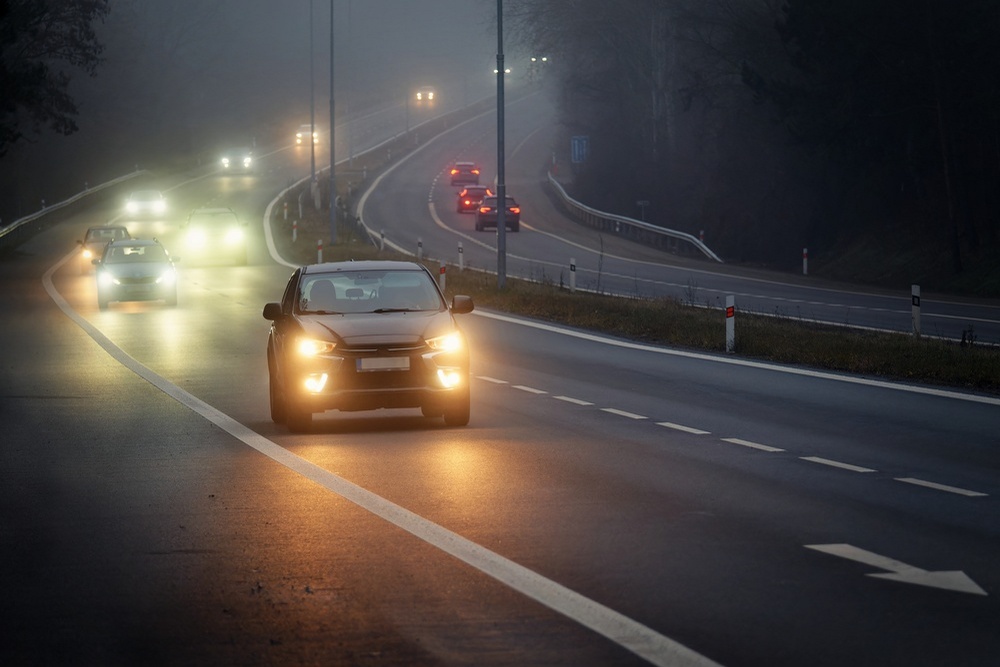
Daylight saving time also changes how your schedule aligns with the natural light available during your commute. After the spring clock change, mornings are darker for a period, which can affect visibility for drivers, pedestrians, and cyclists. You may have a harder time spotting someone crossing a street, identifying a person walking beside the road, or noticing a vehicle approaching from a poorly lit area. Glare, rain, reflective surfaces, and poorly lit intersections can add to the challenge. In the evening, changing light conditions may also affect how clearly you see traffic signals, road markings, and obstacles. These concerns matter most on busy San Diego roads, where commuters share space with pedestrians, cyclists, buses, and other vehicles. You can reduce some of these risks by allowing extra time for your trip, keeping your windshield clean, checking that your headlights work properly, and slowing down when visibility is limited. Don’t assume other road users can see you clearly, especially near crosswalks and intersections. Giving yourself more time to spot hazards helps you respond without sudden or unsafe movements.
What Drivers Can Do to Reduce Accident Risks After the Time Change
You cannot control every road condition or another driver’s decisions, but you can take practical steps to reduce your own risks after daylight saving time begins. If possible, start adjusting your sleep schedule gradually before the clock change so your body has more time to adapt. Aim for sufficient sleep, and avoid driving when you feel unusually tired. During your commute, leave extra following distance and resist the urge to rush through intersections or make last-second lane changes. Distracted driving can worsen fatigue, so put your phone away and stay focused on the road. Make sure your headlights, brake lights, and windshield wipers are working properly, and use extra caution around pedestrians and cyclists during darker morning hours. If you are driving a long distance, plan rest breaks instead of pushing through exhaustion. Also stay alert to other motorists’ behavior. A driver who misses a signal, drifts out of a lane, or brakes unexpectedly may be tired, distracted, or impaired. Maintain enough space to react safely whenever possible. These habits help year-round, but they deserve extra attention as you and other drivers adjust to the time change.
What Happens If You Are Injured in a Car Accident After Daylight Saving Time
Even with reasonable precautions, another driver’s careless behavior can leave you with serious injuries. If you are involved in a collision after daylight saving time begins, do not assume the time change itself determines who is legally responsible. Liability depends on the specific facts, including how the collision occurred, whether a driver acted negligently, and what evidence supports your account. If you can do so safely, document the scene, exchange information with the other driver, and collect contact details from witnesses. Seek medical attention promptly, even if your injuries initially seem minor, because some symptoms may appear hours or days later. Keep records of medical treatment, missed work, repair expenses, and other losses connected to the crash. Photographs, police reports, witness statements, and available video footage may also help establish what happened. California personal injury claims often involve questions about fault, insurance coverage, and the value of your losses, so it may help to understand your options before accepting a settlement. The Law Office of Scott M. Blumen can review the circumstances surrounding your car accident and explain your legal options. Contact The Law Office of Scott M. Blumen by calling (619) 439-1837 or filling out the online form to discuss your situation and learn how you may pursue compensation for the losses you have experienced. Taking the next step today may help you focus on healing while protecting your rights.
about
Scott M. Blumen
Scott M. Blumen, Attorney at Law, APC offers personalized, results-focused legal help for injury and workers’ compensation cases in San Diego.

Frequently Asked Questions
Getting started is easy. If you’ve been injured in a workplace accident, car accident, construction accident, slip and fall, or another incident caused by someone else’s negligence, contact Scott Blumen Law today. Call (619) 439-1837 to discuss your situation and receive an honest assessment of your legal options.
Since 1989, Scott Blumen has helped thousands of injured individuals throughout San Diego. He is known for providing honest legal advice, straightforward communication, and experienced representation in both workers’ compensation and personal injury law. As a Certified Legal Specialist in Workers’ Compensation Law, he offers knowledge that many firms cannot provide.
Many injury cases are resolved through settlement negotiations without going to trial. However, if a fair settlement cannot be reached, Scott Blumen is prepared to advocate for your interests throughout the legal process and pursue the best possible outcome.
Depending on the circumstances, compensation may include medical expenses, lost wages, future medical care, rehabilitation costs, pain and suffering, property damage, and other related losses. Every case is unique, and the available compensation depends on the facts of your claim.
California law places deadlines on filing both personal injury and workers’ compensation claims. Missing these deadlines could affect your ability to recover compensation. Contact Scott Blumen as soon as possible after an accident to discuss the time limits that apply to your case.
Yes, in certain situations. While workers’ compensation covers most work-related injuries, you may also have a separate personal injury claim if a negligent third party contributed to your accident, such as a contractor, equipment manufacturer, or another driver. Scott Blumen has experience handling cases involving both types of claims.
Although you are not legally required to hire an attorney, having experienced legal representation can be extremely beneficial if your claim is delayed, denied, your benefits are disputed, or your injury is serious. Scott Blumen is a Certified Legal Specialist in California Workers’ Compensation Law and has over 30 years of experience helping injured workers.
Your health should always come first. Seek medical attention as soon as possible, report the accident if appropriate, gather photos and witness information when possible, and avoid discussing fault with insurance companies before speaking with an attorney. Prompt legal guidance can help protect your rights.
Scott Blumen represents clients in a variety of injury-related matters, including:
- Workers’ compensation claims
- Personal injury cases
- Car accidents
- Construction accidents
- Slip and fall injuries
- Dog bites and animal attacks
- Motorcycle, bicycle, and pedestrian accidents
- Brain injuries
- Wrongful death cases
- Product liability claims
Most personal injury and workers’ compensation cases are handled on a contingency fee basis. This means you generally do not pay attorney fees unless compensation is recovered on your behalf. During your consultation, Scott Blumen can explain how fees apply to your specific case.
The value of a case depends on many factors, including the severity of your injuries, medical expenses, lost income, future treatment needs, and how the injury has affected your daily life. Scott Blumen provides straightforward, honest assessments rather than unrealistic promises so you know what to realistically expect.
If you were injured because of someone else’s negligence or suffered an injury while performing your job, you may have a valid legal claim. Every situation is different, so the best way to determine your options is through a consultation. Call Scott Blumen Law at (619) 439-1837 to discuss your case and receive an honest evaluation.