
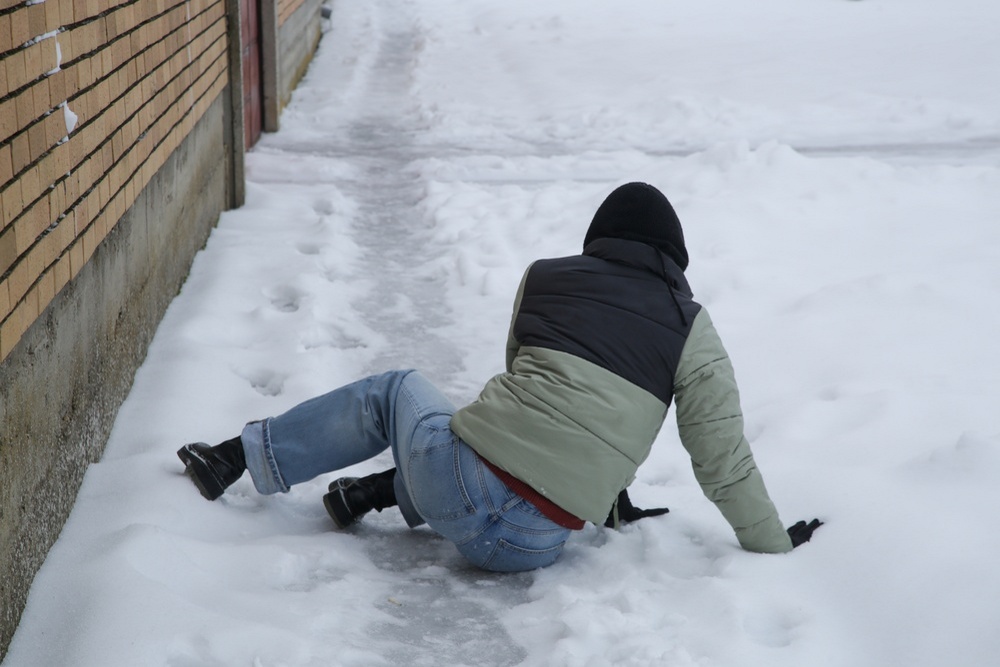
A Slip and Fall Can Cause More Than Temporary Pain
A slip and fall can happen suddenly, but the injuries you experience may continue long after the accident. When you lose your footing on a wet floor, uneven surface, damaged walkway, loose flooring, or another hazardous condition, your body may twist or strike the ground with significant force. Your knees, hips, ankles, shoulders, and other joints can absorb much of that impact. What initially seems like a minor injury may develop into a serious joint problem that affects your mobility and ability to perform everyday activities. You may experience swelling, bruising, stiffness, or pain immediately after the fall, while other symptoms can become more noticeable as the injury develops. Depending on the circumstances, you could suffer a torn ligament, cartilage damage, dislocation, fracture, or other injury that requires extensive treatment. A serious joint injury can interfere with walking, climbing stairs, driving, working, exercising, and completing household responsibilities. You may need emergency care, diagnostic testing, medication, physical therapy, injections, or surgery before you can return to your normal routine. If your symptoms continue despite treatment, you may also face the possibility of permanent joint damage. After a significant fall, appropriate medical attention can help identify the nature and extent of your injuries. Keeping records of your appointments, symptoms, medical expenses, and limitations can also help you document how the injury affects your life.
Knee Damage Can Make Everyday Movement Difficult
Your knees can be particularly vulnerable during a slip and fall because your legs may twist suddenly while your feet remain planted, or your body may land directly on the joint. You may tear a ligament such as the ACL or damage cartilage within the knee. A fracture can also result from a hard impact. These injuries may cause persistent pain, instability, swelling, and reduced range of motion. You may find it difficult to walk normally or put weight on the affected leg. Activities that once seemed simple, such as standing for extended periods, climbing stairs, getting in and out of a vehicle, or carrying groceries, may become uncomfortable or impossible. Depending on the injury, treatment could include physical therapy, medication, injections, or surgery. Even after treatment, you may continue to experience stiffness or weakness. In some situations, joint damage can contribute to long-term problems that require additional medical care. If you have an active job, a knee injury may also interfere with your ability to perform your usual responsibilities. Missing work can create additional financial pressure while you are already dealing with medical bills and recovery expenses. Keep documentation of any time you miss from work and any changes to your normal duties. When a slip and fall leaves you with lasting knee problems, understanding the full effect of your injury can be important when considering your legal options.
Hip and Ankle Injuries May Affect Your Mobility
A hard fall can also cause serious damage to your hips or ankles. Your hip may absorb considerable force when you land on your side, while your ankle can twist sharply when you lose your balance. A hip fracture, dislocation, ligament injury, or severe ankle fracture can make walking extremely difficult. You may require crutches, a walker, or other assistance while recovering. Some injuries may require surgery followed by months of rehabilitation. A serious hip injury can be especially disruptive because your hip supports your body while you stand and walk. An ankle injury can similarly affect your balance and ability to move comfortably. Even after the initial injury heals, you may experience chronic pain, reduced flexibility, weakness, or instability. These limitations can affect your ability to work and participate in activities you enjoy. You may also need help with errands, household tasks, or personal activities while your mobility is restricted. If your injury causes permanent joint damage, you could face continuing medical expenses and future treatment needs. Depending on the circumstances, these losses may be relevant to a personal injury claim. You should not assume that your recovery will end when your first round of treatment is complete. Follow-up appointments and medical evaluations may reveal additional problems or long-term limitations that were not clear immediately after the fall. Continuing to document your condition can help you keep track of how the injury changes over time.
Surgery and Long-Term Treatment Can Add to Your Burden
Serious joint damage may require extensive treatment, particularly when conservative care does not provide sufficient improvement. You may need surgery to repair damaged ligaments, stabilize a fracture, restore joint function, or address other structural problems caused by the fall. Surgery can be followed by weeks or months of physical therapy designed to restore strength, flexibility, balance, and mobility. During this period, you may have difficulty working or performing ordinary activities without assistance. You may also need to adjust your home or daily routine while you recover. The financial burden can become significant when you are paying for medical care while losing income because of your injury. Even after completing rehabilitation, you may require additional treatment if pain or mobility problems continue. In some circumstances, permanent joint damage can increase the likelihood of future medical care or additional procedures. That possibility can make it important to understand the long-term consequences of your injury rather than focusing only on your immediate expenses. Keep copies of medical records, bills, therapy records, employment documentation, and other information related to your recovery. If your doctor restricts lifting, standing, walking, or other activities, document those limitations as well. When your ability to work and live independently has changed because of a serious slip and fall injury, you may want to discuss your circumstances with a personal injury attorney to better understand your potential legal options.
Permanent Joint Damage Can Affect Your Future
A slip and fall that causes permanent joint damage can change your daily life in ways that extend far beyond the original accident. You may continue dealing with pain, stiffness, reduced mobility, weakness, or instability that affects your work and personal activities. You may also face ongoing medical treatment and expenses while adjusting to limitations that you did not have before the fall. Depending on the circumstances, a personal injury claim may involve qualifying losses such as medical expenses, lost income, rehabilitation costs, and other damages associated with your injury. The facts surrounding the fall, the condition that caused it, the severity of your injuries, and other factors can influence your legal options. If you believe an unsafe condition contributed to your fall and you are dealing with lasting joint problems, you may benefit from learning more about your rights. The Law Office of Scott M. Blumen is available to review the circumstances surrounding your slip and fall and explain the legal options available to you. Contact The Law Office of Scott M. Blumen by calling (619) 439-1837 or complete our online formto discuss your situation and learn how you may pursue compensation for the losses you have experienced. Taking the next step today may help you focus on your recovery while protecting your rights.
about
Scott M. Blumen
Scott M. Blumen, Attorney at Law, APC offers personalized, results-focused legal help for injury and workers’ compensation cases in San Diego.